
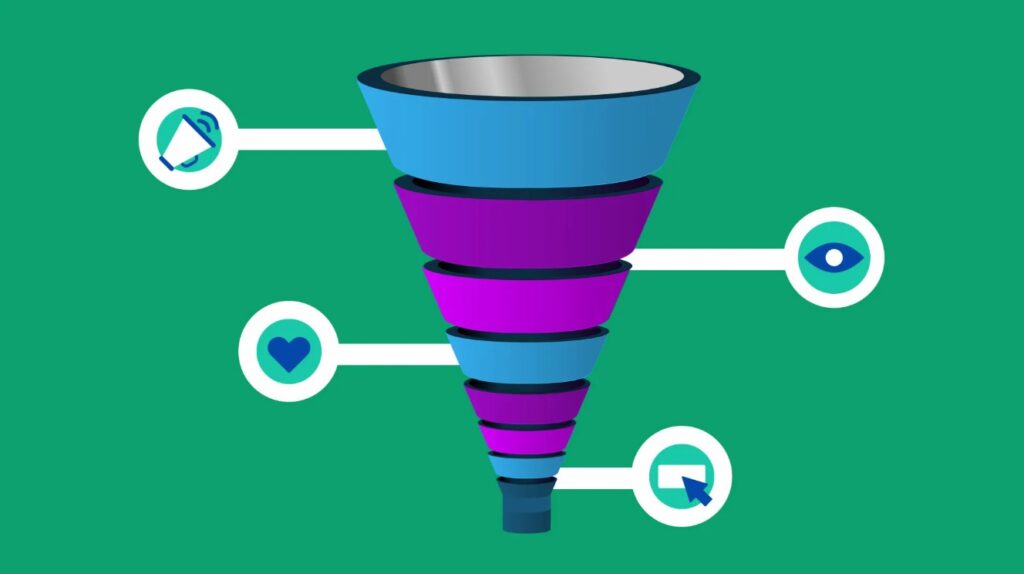
A content funnel is the strategic architecture that maps content to the various stages of a customer’s journey, from initial curiosity to loyal advocacy. Unlike random acts of content creation, a well-defined funnel serves as a guided pathway, nurturing strangers into prospects, customers, and ultimately, brand champions. It’s a systematic approach that aligns your marketing efforts with the evolving needs and questions of your audience.
The top of the funnel (TOFU) focuses on awareness and attracting a broad audience. Content here is educational, entertaining, and problem-oriented, designed to address general pain points without a hard sell. This stage includes blog posts answering foundational questions, engaging social media content, informative infographics, and beginner’s guide videos. The goal is to provide value so compelling that a casual visitor is willing to exchange their contact information for more.
As potential leads move into the middle of the funnel (MOFU), their intent deepens. They are aware of their problem and are now actively evaluating potential solutions. Content must shift to demonstrate your expertise and build consideration. This is the realm of in-depth comparison guides, detailed case studies, expert webinars, product demo videos, and targeted email nurture sequences that showcase your unique approach and the tangible benefits you offer.
The bottom of the funnel (BOFU) is where the decision is made. Here, content is designed to overcome final objections and catalyze a purchase or commitment. Effective BOFU materials include free trials, detailed product specifications, customer testimonials, one-on-one consultation offers, and clear, compelling case studies that prove success. Every piece of content should make the next logical step—contacting sales, signing up, or making a purchase—feel like the obvious and low-risk choice.
The true power of a content funnel lies in its connectivity. Each piece of content should have clear pathways guiding the user to the next stage. A TOFU blog post should link to a MOFU whitepaper, which in turn offers a BOFU demo. Marketing automation and email segmentation are crucial here, allowing you to deliver the right content to the right person at the right moment based on their behavior and engagement level.
Finally, a successful funnel is never static; it is a living system fueled by data and iteration. Regularly analyzing metrics like traffic sources, conversion rates at each stage, time-to-conversion, and content engagement allows you to identify bottlenecks and opportunities. Continuous testing of headlines, formats, and calls-to-action ensures your funnel becomes more efficient over time, transforming content from a cost center into a predictable and scalable growth engine.